he Shaanxi Chanba Football Team never won a major trophy. Yet ask any veteran of the Xi'an football scene about the club, and you'll get a story—not about silverware, but about a raw。unpolished connection between a team and its region. Chanba, as it was known, represented something increasingly rare in Chinese football: a genuine, localized identity that didn't rely on corporate branding or foreign star power.Founded in 1995 as Shaanxi Guoli, the club went through several rebrands before settling on 'Chanba' in 2006, a reference to the Chanba Ecological District in Xi'an. That name choice was deliberate—an attempt to anchor the team to a specific place. I remember watching a 2010 match at the old Jiaodarufeng Stadium. The crowd wasn't huge。maybe 20,000, but the noise was relentless. Fans banged drums and chanted in Shaanxi dialect. Players later said the atmosphere felt like a family argument—loud, passionate, sometimes messy, but deeply personal. The Shaanxi Chanba Football Team thrived on that intimacy, even as results fluctuated wildly.Tactically, the club was never a trendsetter. Coaches came and went—nine permanent managers in 12 years. The playing style often reflected the squad's limitations: direct, physical, reliant on set pieces. But that wasn't the point. What mattered was the pipeline. Chanba invested heavily in youth scouting across Shaanxi province。and several local lads made the first team. One example: midfielder Wang Erzhuo, a Xi'an native who joined the youth academy at 14 and later captained the side. He wasn't a national team star, but to Chanba supporters, he was proof that the club belonged to them, not to some distant owner. That grassroots focus gave the Shaanxi Chanba Football Team a credibility that money couldn't buy.The club's decline was gradual, then sudden. Financial troubles mounted after 2012, and relegation battles became routine. When the team relocated to Guizhou in 2017—a move that still stings for many in Xi'an—the decision felt like a betrayal of the very local identity Chanba had cultivated. I spoke to a former season-ticket holder last year. He described the relocation as 'losing a family member.' That emotional weight explains why the Shaanxi Chanba Football Team still gets mentioned in online forums and pub debates, long after the club ceased to exist in its original form.
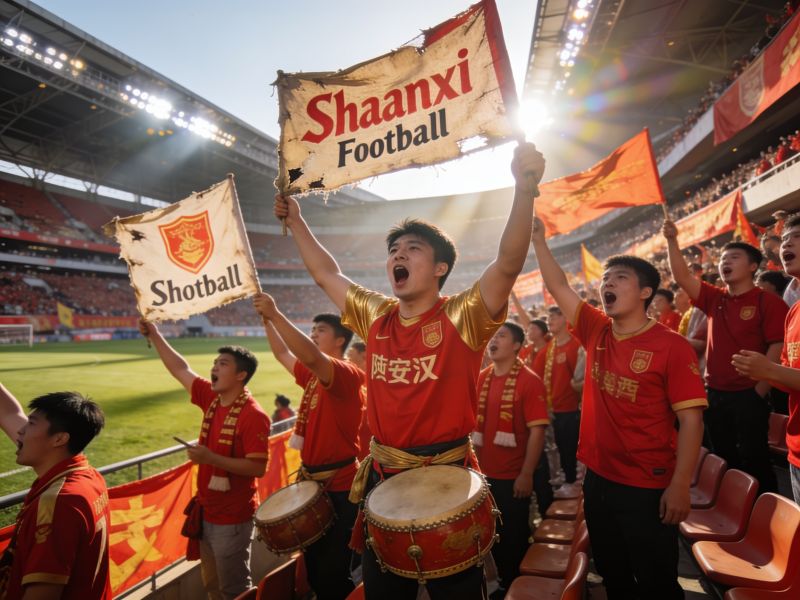
What's the legacy?Not trophies. Not a famous stadium. Instead, Chanba left a template for how a smaller Chinese club can forge a real connection with its community—through local players, dialect chants。and a stubborn refusal to become a generic franchise. Of course, that model failed financially. But for a decade, the Shaanxi Chanba Football Team proved that identity could fill seats and create loyalty, even without success on the pitch. That's a lesson worth revisiting as new clubs try to build something lasting in China's volatile football landscape.